

A Dubai fertility clinic is urging men to pay closer attention to their reproductive health as global research continues to show that male factors account for nearly half of all infertility cases.
Orchid Fertility Dubai says many men remain unaware of early signs and underlying conditions that can affect their ability to conceive.
Male health awareness
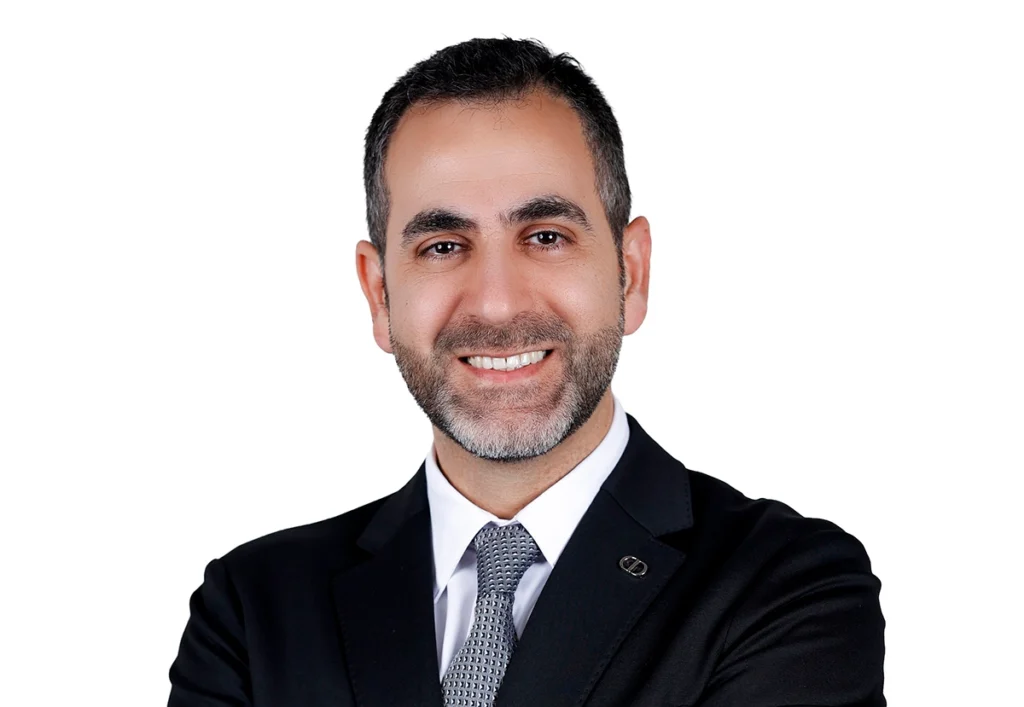
Dr. Rozh Jalil, Consultant Urologist and Andrologist at Orchid Fertility, said many issues that influence male fertility develop without clear symptoms. “Conditions like diabetes, obesity, and hormonal imbalances have a deeper impact on sperm health than most men realise,” he said.
“Often the first signs are subtle—changes in libido, weaker erections, fatigue, reduced muscle strength or even mood fluctuations. These may look like general health issues but are closely linked to testosterone levels and reproductive function.”
According to the clinic, diabetes is one of the most significant contributors to male infertility. High blood sugar can disrupt testosterone production, damage nerves and blood vessels involved in erections, and increase oxidative stress, which affects sperm count and quality. Early management of diabetes, Dr. Jalil noted, can improve overall reproductive outcomes.
Testicular health checks
Dr. Jalil said men should also watch for warning signs related to testicular health. “Testicular cancer, though not common, is the most frequent cancer among young men aged 15 to 40,” he said. “Early detection saves lives, and it starts with a simple monthly self-check.”
The clinic advises men to examine each testicle after a warm shower by gently rolling it between the thumb and fingers. Lumps, swelling or firmness may indicate a problem, while a “bag of worms” feeling could point to varicocele, a treatable cause of infertility. “If something feels different or unusual, don’t wait. Early diagnosis means higher survival rates and far better chances of preserving fertility,” he said.
Fertility testing options
Orchid Fertility begins male fertility evaluation with a semen analysis, which looks at sperm count, motility and morphology. The clinic also carries out hormonal testing, including testosterone, LH, FSH and prolactin, to determine whether issues originate in the testicles or from hormonal signals in the brain.
For men with very low sperm counts or possible genetic conditions, the clinic offers tests such as karyotyping, Y-chromosome microdeletion screening and CFTR mutation analysis. Advanced diagnostics include computer-assisted semen analysis (CASA), sperm DNA fragmentation tests like SCSA and TUNEL, oxidative stress assessment and scrotal Doppler imaging.
Sperm DNA fragmentation, the clinic says, can reveal hidden issues even when standard semen tests appear normal. High fragmentation may affect embryo development and IVF success rates. Factors such as diabetes, varicocele, smoking and heat exposure are common contributors.
Treatment techniques
“Microfluidic sperm sorting and Physiological Intracytoplasmic Sperm Injection (PICSI) are advanced techniques that help us select the healthiest sperm for fertilization. At Orchid, we use these methods regularly in our IVF cycles to improve the chances of a successful pregnancy,” said Dr. Partha Sarathi Das, Medical Director at Orchid Fertility Clinic.
Early assessment
Dr. Jalil encouraged men who are preparing for marriage or planning families to consider a baseline fertility test. He noted that global studies show a decline in sperm quality over recent decades. “A simple semen analysis takes away the guesswork,” he said. “It gives men confidence and clarity before they begin their fertility journey.”
He added that early action can make a significant difference. “Male fertility is not fixed—it is highly responsive to early intervention. Most causes are treatable, and many are reversible. The key is awareness, early testing, and not ignoring the signs your body gives you.”
tanvir@dubainewsweek.com
