
A group of young students from the UAE, Qatar, and Jordan have been selected for the prestigious Nord Anglia Education–MIT Student Trip after developing innovative solutions to some of the world’s most urgent challenges, ranging from healthcare and water scarcity to artificial intelligence and climate change.
Dubai student reimagines newborn vaccination with self-boosting system
A student from Swiss International Scientific School Dubai, Faris Al Khatib, has developed a “self-boosting” vaccine concept aimed at improving global immunisation rates. His design addresses a major barrier in healthcare systems: the difficulty families face in returning for multiple vaccine doses.
His solution uses a single-dose vaccine enhanced with biodegradable microcapsules that release booster doses at pre-programmed intervals after birth. This eliminates the need for repeated clinic visits and increases the likelihood that children in low-resource settings complete their immunisation schedules.
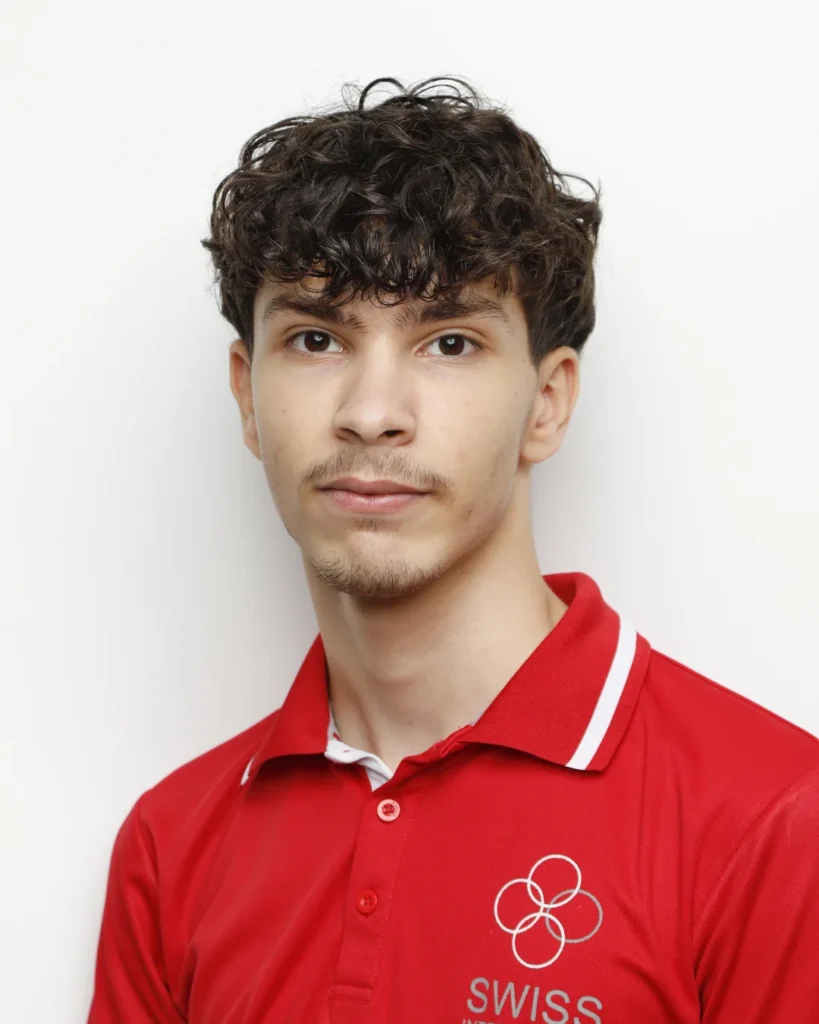
Faris Al Khatib
Each year, an estimated 1.5 million children die from vaccine-preventable diseases, often due to access issues rather than availability of medicine. Faris’ system aims to directly address this gap by ensuring vaccines “activate” over time inside the body.
His idea aligns with ongoing research into timed-release drug delivery systems, including work being explored at the Massachusetts Institute of Technology. Faris has been selected to join 68 students from over 50 schools worldwide at MIT this November to further develop his concept.
Abu Dhabi student targets urban emissions with passive carbon capture system
A 13-year-old student from The British International School Abu Dhabi, Lochanashree Adhinarayanan, has developed a passive carbon capture system designed to reduce emissions from small urban sources such as building vents and generators.
Her system requires no electricity and uses a two-stage process: activated charcoal absorbs carbon dioxide, followed by algae-coated biofilms that convert CO₂ into oxygen and biomass through photosynthesis.
The design transforms buildings into active contributors to carbon reduction by capturing emissions at their source. Although small-scale individually, these emissions collectively contribute significantly to urban pollution.
Lochanashree, who joined the school from Sharjah, has also been selected for the MIT programme. She aspires to become a neurosurgeon in the future.
Doha student tackles water waste with AI monitoring system
In Qatar, 16-year-old Mohamed Newfel Tsabet from Compass International School Doha has created “Smart Drop”, an AI-powered system designed to detect and prevent water leaks.
The system combines low-cost sensors with machine learning to monitor water usage in pipes, tanks, and irrigation systems. By learning normal consumption patterns, it can identify anomalies early, predict failures, and send real-time alerts through a mobile app.
With up to 14% of household water lost through leaks globally, his system offers a scalable and affordable solution for homes and communities. Mohamed’s innovation reframes artificial intelligence as part of the solution to environmental challenges rather than a contributor to resource strain.
He plans to pursue Mechanical Engineering in the United States and aims to scale Smart Drop into a real-world sustainability tool. His work earned him selection for the same MIT programme this November.
Amman student develops electricity-free water purification tower
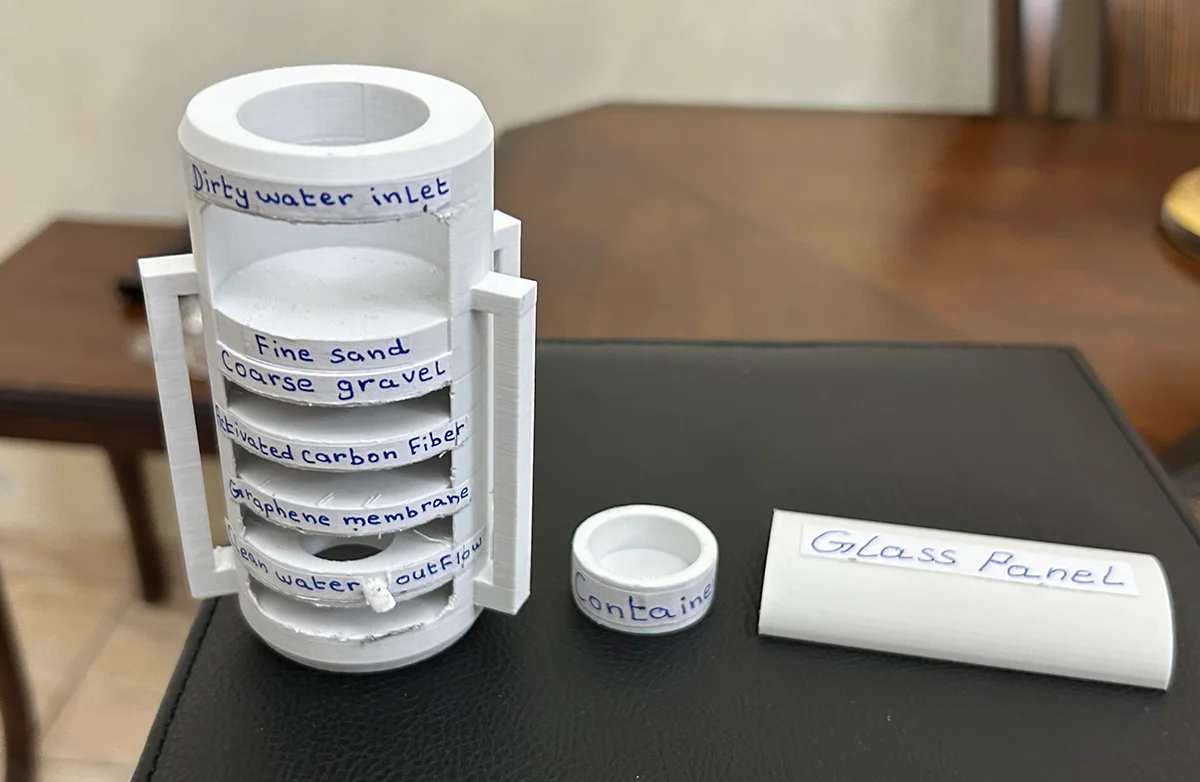
In Jordan, 14-year-old Chris Nijmeh from Amman Academy has designed a gravity-fed water purification tower that produces clean drinking water without electricity.
The two-metre system uses a layered filtration process: sand and gravel remove debris, activated carbon absorbs chemicals, and a graphene membrane eliminates bacteria. A single tower can produce up to 500 litres of clean water per day, serving between 50 and 100 people.
The design is inspired by MIT research and aims to provide a low-cost, scalable solution for communities lacking reliable infrastructure.
Chris hopes to pursue a career in medicine, driven by a desire to solve global health challenges. He has also been selected for the MIT Student Trip.
A shared vision
All four students will participate in the Nord Anglia Education–MIT Student Trip at the Massachusetts Institute of Technology, where they will collaborate with global peers and researchers on real-world scientific and engineering challenges.
Despite their different fields — medicine, water security, artificial intelligence, and climate science—their projects share a common goal: using accessible, scalable innovation to solve problems that affect millions of people worldwide.
tanvir@dubainewsweek.com
