
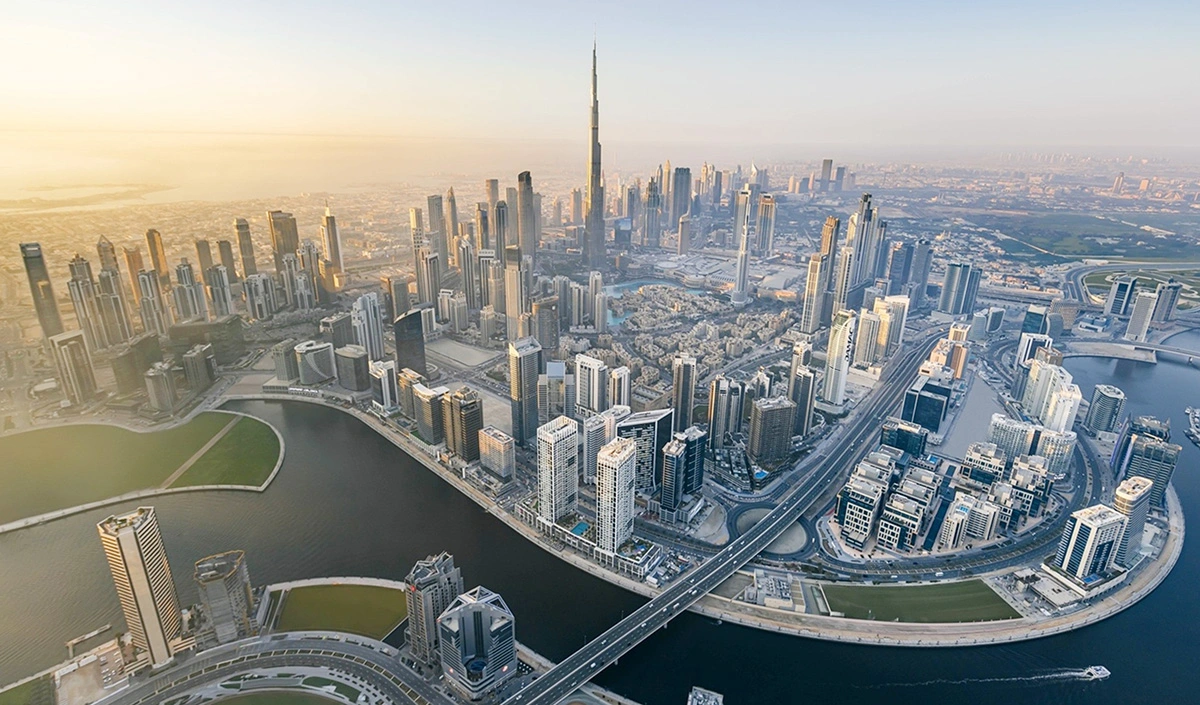
The UAE real estate market recorded strong growth in 2025, with higher transaction volumes, rising rents and increased development activity across all emirates, according to Colliers’ latest market report.
Abu Dhabi stood out for record sales activity and growing international investor interest, while Dubai posted its highest residential completions to date.
Abu Dhabi sales surge
Abu Dhabi recorded one of its strongest residential performances on record in 2025. Total transactions exceeded 21,000 units, driven by both off-plan and completed property sales.
Off-plan transactions reached 15,000 units, marking a 60 percent year-on-year increase. Completed unit sales climbed 28 percent to nearly 6,000 units, reflecting continued end-user demand.
Around 7,000 residential units were delivered during the year. Construction activity also gained pace, including the restart of previously stalled projects in established communities such as Al Reem Island. Branded and lifestyle-focused developments recorded strong take-up, with several projects selling out shortly after launch.
Abu Dhabi’s housing authority also announced plans for about 40,000 housing units and residential plots for UAE nationals.
Rental rates increased across all residential segments. Prime and high-end apartments saw growth between 10 percent and 25 percent, depending on location. Mid-market apartments recorded increases ranging from 7 percent to 35 percent. Villa rents rose by an average of 5 percent to 10 percent, with prime communities posting gains of up to 15 percent.
In the office sector, limited availability of Grade A space pushed occupancy levels higher. Several prime buildings approached full occupancy, including Aldar’s Quartz Tower. Aldar also expanded Abu Dhabi Business Hub by 175,000 square metres and launched Yas Business Park, adding 47,500 square metres across four buildings. Additional Grade A projects, including The Link and Masdar City Square, are expected to deliver around 80,000 square metres of new office space in 2026.
Dubai completions peak
Dubai recorded the highest volume of residential completions in its history in 2025. Around 37,950 apartments and 9,700 villas were handed over during the year.
Off-plan sales continued to support overall transaction activity, with developers offering flexible payment plans. While some handovers were slightly below earlier projections, total delivery remained at a record level.
Residential supply is expected to increase further in 2026, with more than 90,000 units scheduled for completion.
Rental growth in Dubai began to moderate as affordability became a key factor. The introduction of the Smart Rental Index in early 2025 supported greater transparency in lease renewals and contributed to a gradual stabilisation in rental increases. Tenants showed stronger preference for upgraded and well-managed units.
Dubai’s office market also saw rising demand, especially for Grade A space in prime locations. Less than 280,000 square feet of office space was delivered in 2025, highlighting limited supply. However, around 1.7 million square feet is expected to be handed over in 2026.
Northern Emirates growth
The Northern Emirates saw rising development activity and investor interest in 2025, supported by infrastructure spending and tourism growth. Sharjah and Ras Al Khaimah remained key markets, while Ajman recorded improved demand due to competitive pricing and better project quality.
About 12,900 residential units are expected to be completed across the Northern Emirates in 2026. Sharjah is projected to account for 55 percent of deliveries, followed by Ras Al Khaimah at 25 percent and Ajman at 20 percent.
In Al Ain, the market recorded steady growth across residential and commercial sectors. Apartment rentals led gains due to limited new supply and improving occupancy. In the office segment, higher-quality buildings saw gradual rental increases as companies moved to larger and better-equipped spaces.
Policy support measures
Several policy initiatives supported market confidence in 2025. These included the continued implementation of rental index frameworks in Abu Dhabi, Dubai and Sharjah, the launch of Dubai’s First-Time Home Buyer Programme in July 2025, ongoing housing initiatives in Abu Dhabi, regulatory reforms and the digitalisation of property transactions.
Authorities also confirmed that Etihad Passenger Rail services are scheduled to begin operations in 2026, a development expected to further strengthen connectivity and long-term real estate demand across the UAE.
