
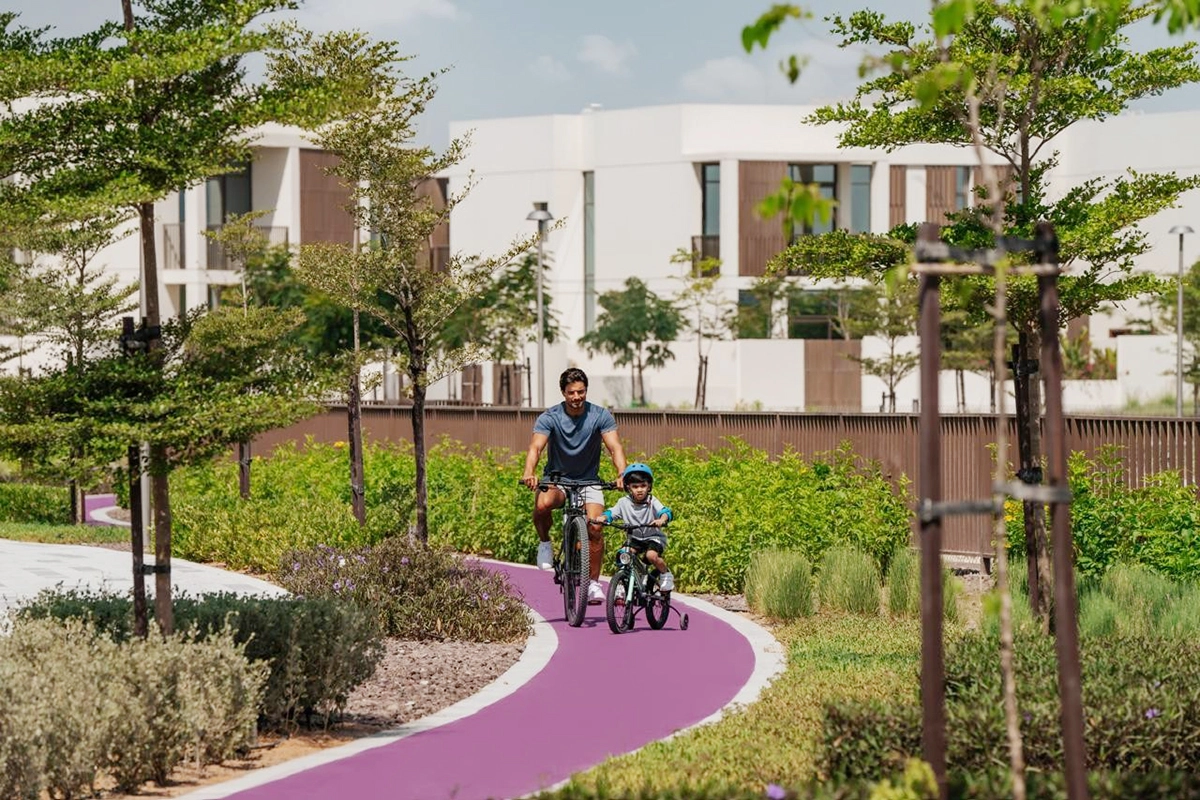
More than 1,000 homes have been completed and handed over at Jubail Island, marking a key stage in the development of the nature-focused residential community in the UAE capital.
Project milestone
The homes are part of Jubail Island, a master-planned community set within a protected mangrove area. The project is being developed by LEAD Development under Jubail Island Investment Company.
Engineer Abdualla Al Shamsi, General Manager for Jubail Island Investment Company, said: “Seeing more than 1,000 homes now completed and in the hands of our residents is a moment that reminds us why we do what we do. Every decision made at Jubail Island, from the placement of a pathway to the preservation of a mangrove, has been guided by the people who would one day live here. This milestone reflects not only the scale of what we have built, but the collective dedication of every team member, contractor and partner who helped bring this community to life. What makes this moment truly meaningful is walking through the island today and seeing families living, gathering and calling this place home.”
Location and access
Jubail Island is located between Yas Island and Saadiyat Island, with access via Sheikh Khalifa Bin Zayed Highway (E12). It is around 15 minutes from Abu Dhabi International Airport.
Lifestyle offering
The development is designed as a low-density community, with six villages connected through pedestrian and cycling routes. These include Marfaa Al Jubail, Nad Al Dhabi, Seef Al Jubail, Souk Al Jubail, Ain Al Maha and Bada Al Jubail.
At the centre of the island is Jubail Mangrove Park, which offers boardwalks, kayaking and educational programmes focused on coastal ecosystems.
The island also hosts Abu Dhabi Royal Equestrian Arts, providing facilities for equestrian activities.
Future plans
Community facilities include four centres, with more developments planned. These include Gordonstoun School, expected to open in the third quarter of 2026, and the Redwood Center of Excellence nursery.
Jubail Island spans 40 million square metres, with only about 20 per cent developed. The project includes over 1.2 million square metres of parks and open spaces, with a focus on preserving the surrounding mangrove environment.
