
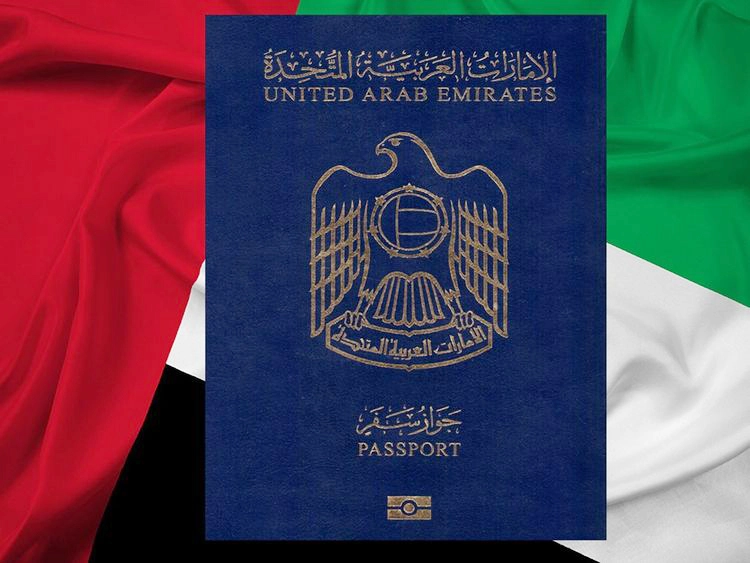
The United Arab Emirates has achieved the largest long-term rise on the Henley Passport Index, climbing 57 places over the past 20 years to rank 5th globally in 2026.
UAE passport strength
According to the latest Henley Passport Index, based on data from the International Air Transport Association (IATA), UAE passport holders now have visa-free or visa-on-arrival access to 184 destinations worldwide. This is an increase of 149 destinations since 2006, the largest gain in the index’s history.
The UAE’s rise reflects sustained diplomatic efforts, strategic visa policies, and expanded international partnerships. These moves have strengthened travel freedom for citizens and increased the country’s global influence.
Global ranking
The UAE now ranks ahead of traditionally strong passports including New Zealand (6th), the United Kingdom and Australia (both 7th), Canada (8th), and the United States (10th).
“The UAE’s rise on the Henley Passport Index is without parallel,” said Dr. Christian H. Kaelin, Chairman of Henley & Partners and creator of the index. “It demonstrates how long-term vision, political stability, and proactive diplomacy can translate directly into tangible mobility benefits for citizens, and increasing soft power for the country.”
Omar Obaid Al Shamsi, Under-Secretary of the UAE Ministry of Foreign Affairs, said, “The record-breaking ascent of the UAE passport reflects our leadership’s forward-looking vision and unwavering commitment to openness, dialogue, and global cooperation. This achievement is the result of the tireless efforts of UAE diplomacy to establish strategic partnerships that elevate the nation’s standing on the international stage.
“By expanding travel freedom, the UAE ensures that our citizens enjoy ever-greater opportunities across the world, while simultaneously fostering global growth and collaboration,” Al Shamsi added.
Travel and economic impact
International travel continues to grow, with IATA forecasting more than 5.2 billion airline passengers worldwide in 2026. Willie Walsh, Director-General of IATA, said, “A record number of people are expected to travel in 2026. The unequivocal economic and social benefits generated by this travel grow as it becomes more accessible. As many governments look to more tightly secure their borders, technological advances such as digital ID and digital passports should not be overlooked by policymakers. Convenient travel and secure borders are possible.”
Building passport power
Henley & Partners research shows that passport strength depends on factors such as reciprocity in visa policies, proactive foreign relations, economic stability, and tourism-led openness. Countries that actively negotiate visa waivers and build cooperative ties tend to expand travel freedom for their citizens.
“Passport strength is not accidental – it is built by a clear vision and policy,” Dr. Kaelin said. “The UAE exemplifies how a long-term, strategic approach to global engagement translates directly into passport power, supporting tourism, trade, and economic diversification.”
The UAE’s progress demonstrates how consistent diplomacy, stability, and openness can create tangible benefits for citizens while enhancing the nation’s influence on the international stage.
tanvir@dubainewsweek.com
