
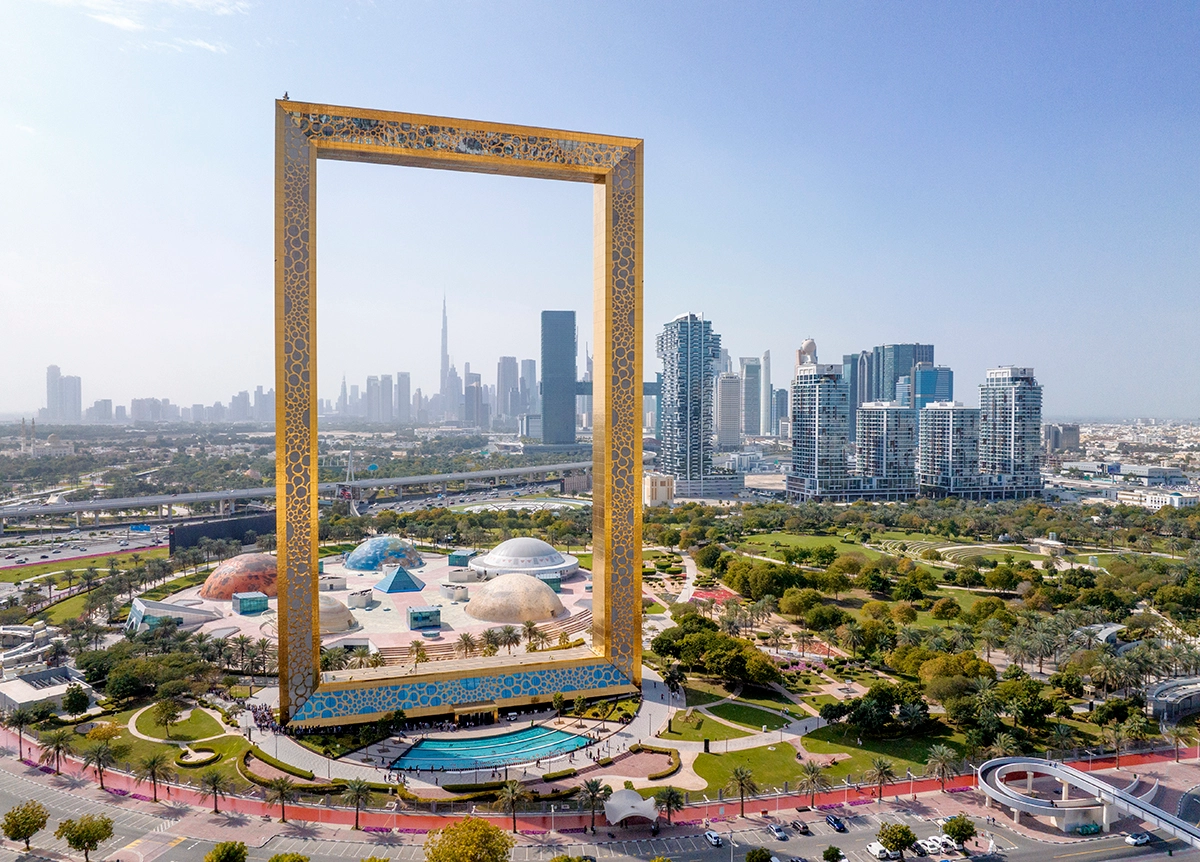
Dubai has secured 20th place in the 2026 Global Cities Index (GCI), entering the top quintile of the global rankings, according to Kearney’s latest Global Cities Report.
The ranking reflects Dubai’s performance across five areas: business activity, human capital, information exchange, cultural experience and political engagement.
The index assesses 158 cities based on their ability to attract, retain and generate international flows of people, investment and ideas.
Kearney said Gulf cities continued to strengthen their global positions in 2025, with improvements in economic performance and innovation despite a more challenging international environment.
Gulf cities benefit from investment and innovation
The report highlighted the progress of several Gulf cities, including Dubai, Abu Dhabi and Riyadh, where sustained investment and economic diversification contributed to their development.
Abu Dhabi also recorded gains, alongside Dammam and Muscat, as investment supported improvements in urban performance.
Valentin Lavaill, Executive Director at Kearney Foresight MEA, said: “Nearly all of the Gulf’s cities benefited from improved economics, and the region distinguished itself on innovation. Amid a more challenging operating environment, leaders proved the value of committing to a well-defined, multiyear investment strategy,”
The report also found that the Middle East recorded the strongest regional increase in total foreign direct investment (FDI) in 2025. Economic performance improved in 13 of the 16 cities assessed in the region.
Innovation recorded the smallest regional decline, highlighting the continued strength of talent and innovation ecosystems.
Singapore leads global cities outlook
Alongside current rankings, Kearney’s report assesses the future potential of cities through its Global Cities Outlook (GCO).
The outlook examines four areas: personal well-being, economics, innovation and governance.
Singapore ranked first in the 2026 outlook, followed by London, San Francisco, Seoul and New York.
The assessment considers how cities are preparing to attract talent, generate economic growth, improve competitiveness and maintain stability.
Report highlights growing role of city-to-city partnerships
The 2026 report also examines the growing importance of what Kearney calls “citycraft”, referring to cooperation between cities to address shared challenges and strengthen their international positions.
For Gulf cities, potential areas of collaboration include artificial intelligence infrastructure, shared talent networks, business partnerships and common standards.
Rudolph Lohmeyer, Partner and Chairman of Kearney Foresight Middle East and Africa, said: “Cities are taking matters into their own hands by engaging with their peers to advance shared interests in what we call ‘citycraft.’ Through these innovative forms of collaboration, they are building coalitions around shared infrastructure, common standards, investment partnerships, and technical expertise.”
The report suggests that closer cooperation between cities could help Gulf urban centres strengthen their international connections and support their long-term economic and innovation ambitions.
