
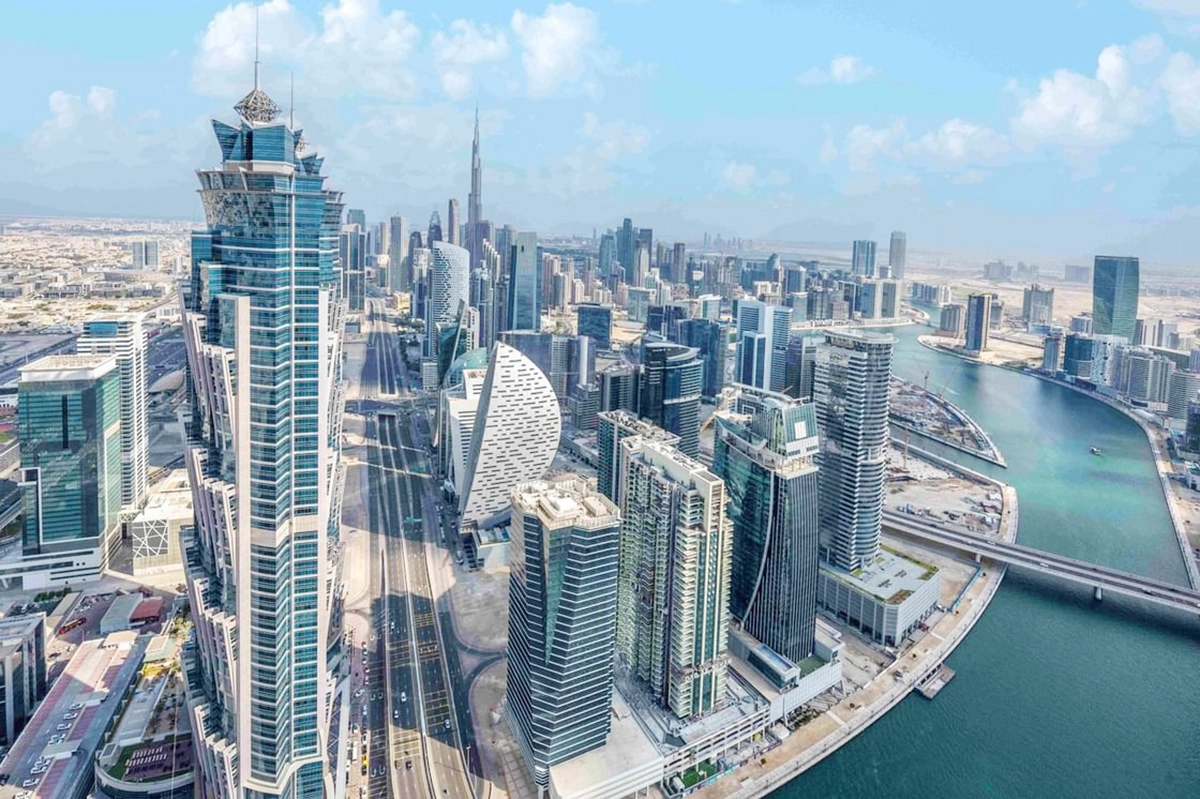
Dubai’s real estate sector continued to grow in the first half of 2026, with 104 projects completed at a total investment value of more than Dhs 111 billion. The completed projects added 24,537 new residential units to the market, reflecting continued development activity and growing demand from both homebuyers and investors.
According to the latest data from the Dubai Land Department, the number of completed projects rose by 38.7% compared with the same period in 2025, while their total investment value increased by 52%.
More projects enter the market
Badar Rashid Al Blooshi, Chairman of Arabian Gulf Properties, said the rise in completed projects and new units reflects a more mature phase for Dubai’s property market.
He said buyers and investors now have a wider choice of properties as demand continues to grow.
“The significance today lies not only in the volume of new projects entering the market, but also in the market’s ability to absorb this growth through a broader and more diverse buyer base,” Al Blooshi said.
“Dubai continues to attract international investors, while at the same time we are seeing a growing segment of residents looking to transition from renting to home ownership. This is contributing to a more balanced market over the long term.”
First-time buyers add to demand
Al Blooshi also highlighted the role of Dubai’s First-Time Home Buyer Programme, which helps residents purchase their first homes in the emirate and has contributed to increased real estate transaction activity.
He said the continued rise in foreign investment, together with the increase in new property supply, is putting greater focus on factors such as location, project quality, developer reputation and the value of individual properties.
As more projects enter the market, Al Blooshi said investors are likely to compare properties more carefully before making purchasing decisions.
“As supply increases, investors will become more selective. The launch of a project alone will no longer be the deciding factor,” he said.
He added that location, property quality, payment plans, expected returns and genuine demand in a particular area are likely to play a bigger role in investment decisions.
According to Al Blooshi, this could increase competition among developers and encourage them to create projects that better meet the needs of both residents and investors.
Focus shifts to individual properties
The next phase of Dubai’s property market could see greater differences in performance between locations and individual projects, Al Blooshi said.
Rather than looking only at the overall direction of the market, buyers are increasingly expected to compare properties based on factors such as rental income, potential capital growth, quality of life and nearby amenities.
He also pointed to the continued development of Dubai’s regulatory and digital real estate systems, along with greater transparency and access to market data.
These developments, he said, are helping strengthen Dubai’s ability to attract long-term investment and support its position as a major global real estate market.
tanvir@dubainewsweek.com
