
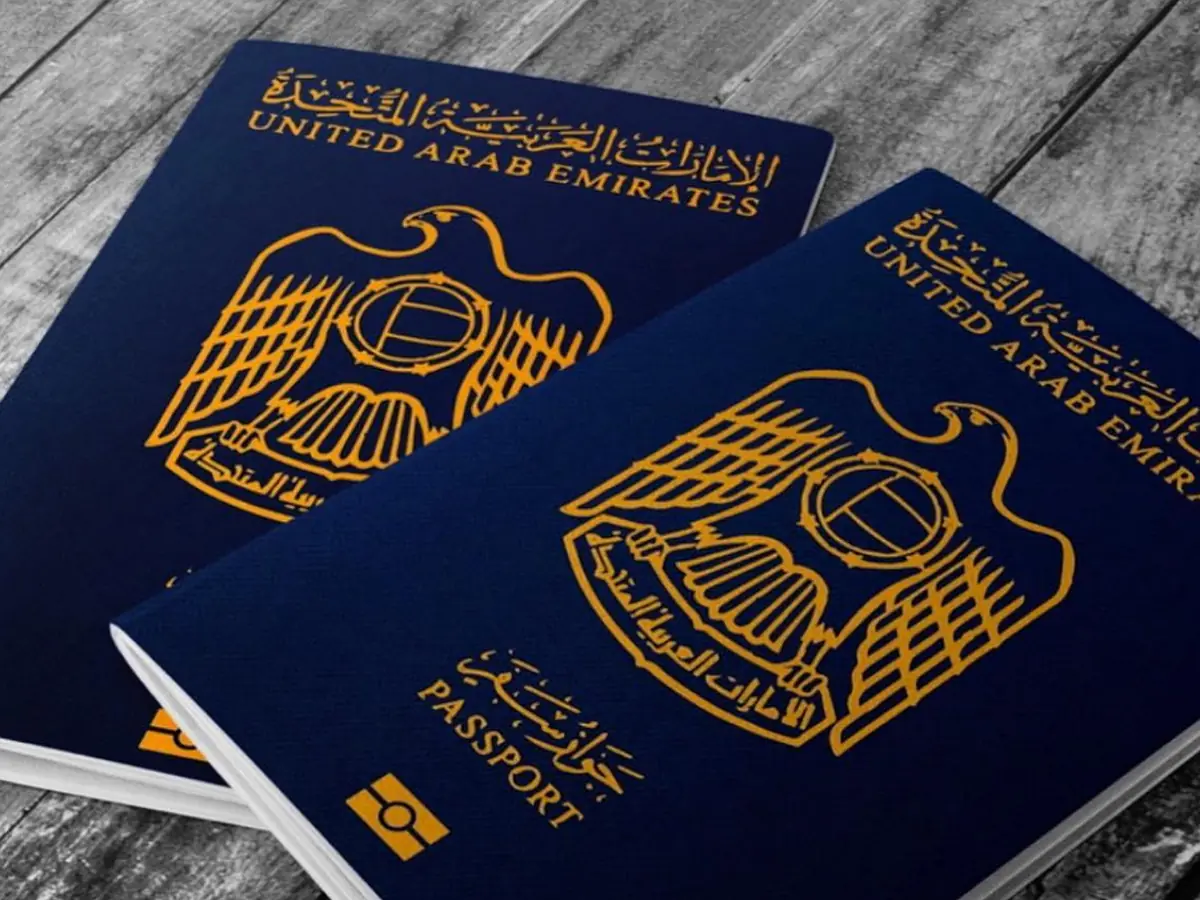
The UAE has been ranked the world’s strongest passport for the seventh consecutive year, according to the latest Passport Index by Arton Capital.
The new report shows major shifts in global mobility, with several leading passports losing access while Asian countries rise sharply in the rankings.
UAE retains top spot
Despite a year of tightened entry rules worldwide, the UAE continues to lead the global mobility list. The Index highlights the country’s strong diplomatic reach and growing appeal among international residents seeking greater travel flexibility.
Asian passports rise
Singapore recorded the biggest improvement, moving from 30th to 2nd place with a mobility score of 175. Malaysia also made a significant jump, climbing from 41st to 17th. Japan and South Korea remain among Asia’s strongest passports, even with slight score declines. The report notes that Asian nations are now competing more directly with Europe’s traditional leaders.
Europe loses ground
European passports still occupy many of the top positions, but most dropped by around four visa-free destinations compared with last year. Countries including Spain, France, Germany and Belgium remain strong overall, though the gap between Europe and emerging mobility leaders is narrowing.
Anglosphere declines
The United Kingdom fell from 32nd to 39th, continuing its long post-Brexit slide. The United States and Canada each lost five points, dropping to 41st and 40th. Australia and New Zealand also moved down the list. The report notes growing interest among affluent residents in these countries to explore alternative residency or citizenship options.
The World Openness Score, which tracks real-time global accessibility, declined in 2025 as several governments added new entry requirements and adjusted visa agreements. The Index describes a more fragmented travel landscape, where mobility is decreasing but becoming more valuable to individuals who travel frequently.
Digital travel expansion
Despite the overall drop in visa-free access, 2025 saw wider adoption of Electronic Travel Authorisations. Israel, the UK, Turkmenistan, St. Kitts and Nevis, and the Maldives launched ETA systems. Canada also eased access for Qatari citizens by replacing visa requirements with ETA entry.
The Passport Index expects more than 25 additional countries to introduce ETAs in 2026, driven in part by the EU’s long-awaited ETIAS system, which will apply to travellers from over 60 nations visiting the Schengen zone.
Armand Arton, CEO of Arton Capital and co-founder of the Passport Index, commented: “This year confirms what we’ve been tracking for some time: global mobility is tightening. The world is becoming more cautious, and the era of rapid post-Covid reopening is firmly behind us. But within this shift, we’re seeing the UAE remain dominant, and Asian nations emerge as major mobility players.
“In an era of increasing travel restrictions, the value of a powerful passport only grows. Our mission is to help global citizens navigate this changing landscape so they can maintain the freedom and stability they need to live a truly global life.”
tanvir@dubainewsweek.com
