
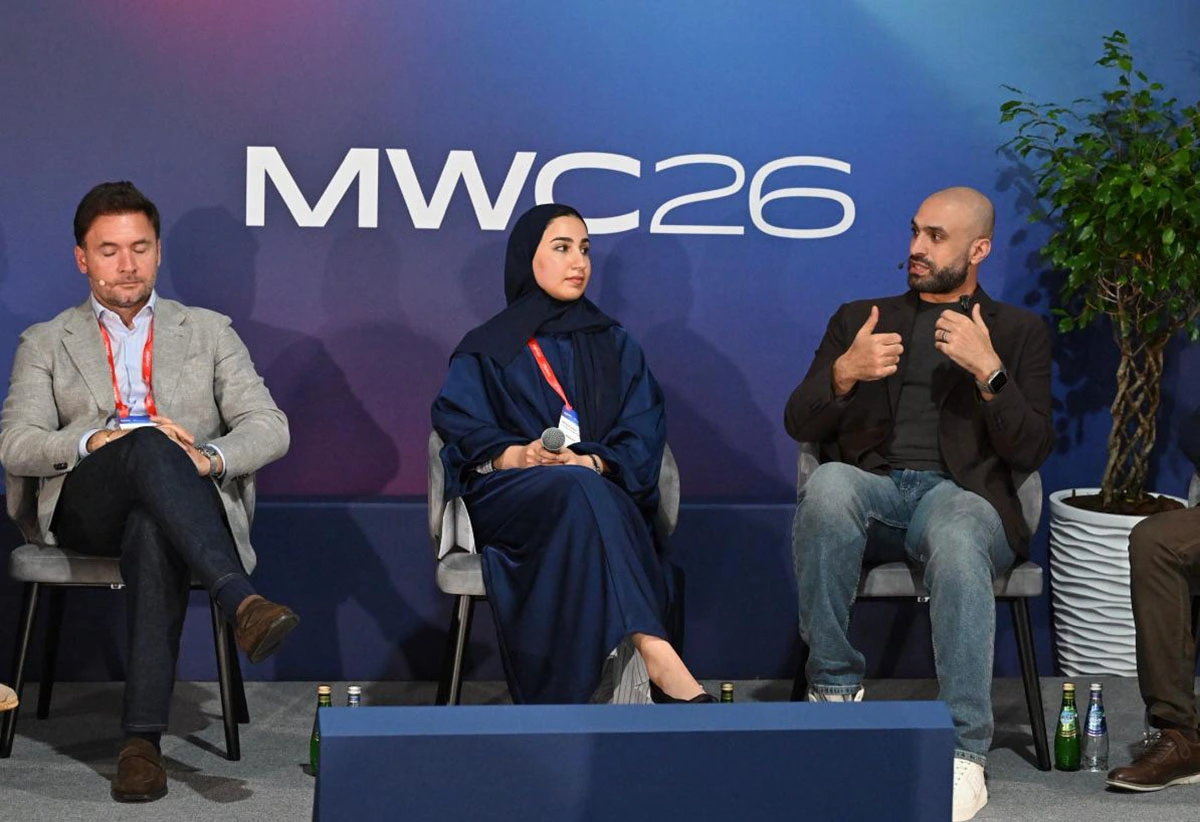
Artificial intelligence is making content creation more accessible, but original ideas, authenticity and human experiences will remain essential to standing out in an increasingly crowded digital world, an AI expert has said.
Engineer Mohamed Saieed, Director of Artificial Intelligence and Development at Digital Lab, shared the view during a panel discussion at MWC Doha 2026 in Qatar, where experts explored how emerging technologies are shaping the creative economy.
AI changes the content creation landscape
Saieed said tools that once required specialist teams and significant budgets are now available to individuals through smartphones and generative AI applications.
While this has opened new opportunities for creators, he said access to technology alone does not guarantee originality or meaningful audience engagement.
“Artificial intelligence gives everyone the ability to produce content, but it doesn’t give everyone an idea worth telling. The real value will always lie in creative vision, understanding audiences and building meaningful connections with people,” Saieed said.
He added that as AI-generated images, videos and music become more widespread, audiences are likely to place greater value on genuine experiences, trust and personal identity.
Arab culture creates opportunities for digital innovation
The discussion also explored how AI and immersive technologies could help bring Arab history and heritage to younger generations.
Saieed highlighted the potential of augmented reality (AR) and extended reality (XR) to create interactive experiences around museums, tourism and cultural heritage.
He said regional creators, artists, historians and cultural institutions should be involved in developing these experiences from the beginning, rather than simply translating existing international content into Arabic.
“Our ambition should not be limited to making global technology speak Arabic. We should make technology truly understand our culture, identity and history. The Middle East should not merely consume the future of digital experiences; it should play a leading role in creating them,” he stated.
Technology should add value to real-life experiences
Saieed also highlighted the importance of ensuring digital experiences complement rather than replace real-world interactions.
He pointed to museums, tourism destinations and cultural events as areas where augmented reality could help visitors understand historical information and local attractions while maintaining the value of physical visits.
He said technology should be assessed by the benefits it delivers to people, rather than simply the amount of time users spend on digital platforms.
“The success of technology should not be measured by how much time we spend in front of screens, but by the value it adds to our lives. Technology should serve humanity, not the other way around,” he emphasised.
Creative economy offers opportunities for regional talent
Saieed said growing investment in AI, digital infrastructure and immersive technologies is creating opportunities for content creators, entrepreneurs and cultural institutions across the Middle East.
He added that creators who combine new technology with original ideas, cultural identity and authentic storytelling will be better positioned to develop meaningful digital experiences.
As AI tools become more widely available, the ability to build trust and connect with audiences is expected to remain an important part of the creative economy.
